
Every dental career eventually reaches a turning point — retirement, a practice sale, or in some cases, an unexpected inheritance. In the middle of transferring patient files, closing out equipment leases, and handling staff transitions, one asset gets overlooked more often than almost anything else: the dental scrap sitting in drawers, cabinets, and storage bins.
After decades of practicing, it’s common for dentists and lab owners to have quietly accumulated a real stash of precious metal without ever realizing it. If you’re winding down a practice, selling one, or have suddenly found yourself in charge of a relative’s dental lab, here’s what you need to know before that scrap gets tossed, forgotten, or sold for far less than it’s worth.
Decades of Practice Often Means a Bigger Payout Than You Think
If you’ve been in dentistry for 20, 30, or 40 years, there’s a good chance you’re sitting on more valuable material than a newer practitioner. Older dental alloys tend to skew toward higher gold content — many restorations made before the 1980s and 90s were cast in high-noble alloys, before the industry shifted toward palladium-heavy and base-metal alternatives to manage costs. That means a coffee can of crowns pulled from a back cabinet that’s been there since the Reagan administration could be worth considerably more per gram than scrap collected today.
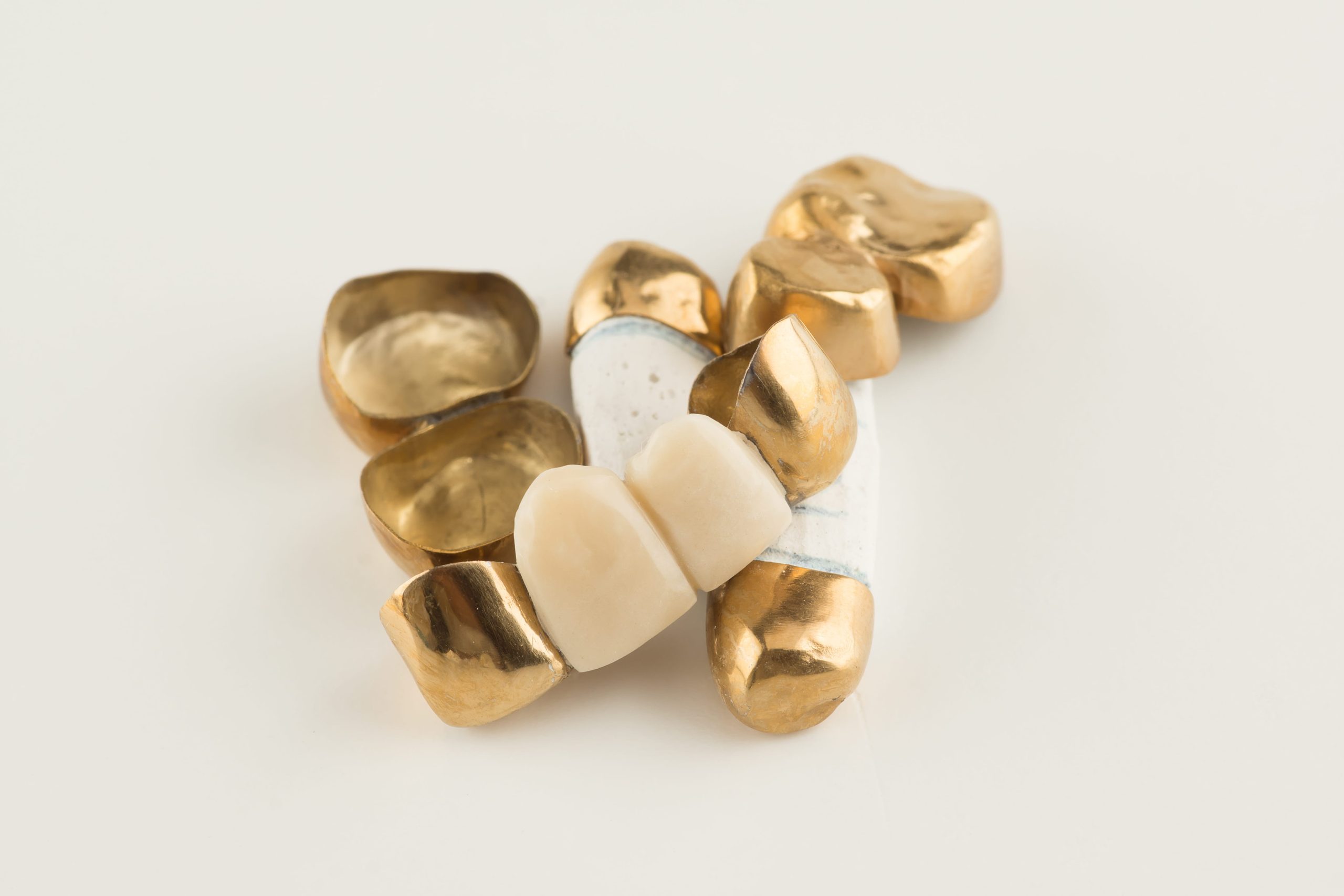
The catch is that you can’t tell this just by looking. Color, weight, and even a quick acid test only tell part of the story. The real value only becomes clear once the material is melted down and properly assayed.
What to Do When You Inherit a Practice or Lab
Inheriting a dental practice or lab comes with plenty of logistical headaches, and scrap metal is rarely at the top of the list. But if you’ve taken over operations from a parent, mentor, or former business partner, it’s worth setting aside time to go through storage rooms, old filing cabinets, and equipment drawers before anything is cleared out, donated, or discarded.
Unlike a jewelry collection or a stack of gold coins, there’s no simple way to estimate what an inherited scrap collection is worth just by eyeballing it. A lifetime of collected crowns, bridges, PFMs, solder, and floor sweeps could easily total into four or five figures — or it could be worth far less. Refining is the only way to know for sure, and a reputable refiner will walk you through the process even if you have zero background in precious metals.
Selling a Practice? Don’t Let Scrap Get Bundled into the Deal by Accident
When a practice changes hands, contracts typically spell out exactly what’s included in the sale — equipment, patient records, the lease, goodwill. Precious metal scrap often isn’t mentioned at all, which means it can end up passed along to the new owner simply because nobody thought to address it. If you’re the one retiring or selling, it’s worth doing a walkthrough of your storage areas and shipping off any accumulated scrap before the transition completes. It’s a simple way to capture value that would otherwise disappear into the fine print.
Avoid the Rush to Simplify
During a transition — especially an emotional one, like settling an estate — there’s often a temptation to deal with loose ends quickly. That can mean accepting a fast cash offer from a local buyer just to check a box off the list. But on-the-spot buyers typically pay a fraction of what a direct refiner will, since they need to resell your material to an actual refinery to get any value out of it themselves. If you’re going to take the time to sort through cabinets and drawers, it’s worth taking the extra day or two to send the material to a refiner directly and get paid what it’s actually worth.
A Few Places Scrap Tends to Hide
Whether you’re closing out your own practice or clearing out someone else’s, check these spots before assuming a room is empty of value:
- Old supply cabinets and drawers, especially near chairside work areas
- Lab benches and finishing stations, where floor sweeps and grindings collect
- Filing cabinets or desks where a jar of extracted crowns might have been tucked away and forgotten
- Storage boxes labeled “misc” or “old inventory” that haven’t been opened in years
The Bottom Line
A career transition, sale, or inheritance is a lot to manage, and dental scrap is an easy thing to overlook in the shuffle. But for something that’s often been quietly accumulating for decades, it deserves a second look before it’s swept aside. A quick sort-through and a shipment to a trusted refiner like Cora could turn an overlooked cabinet into a meaningful final payout — one last bit of value from a career’s worth of work.